
big vanity mirror with lights
The Importance of a Metre Spirit Level in Construction and DIY Projects In the realm of construction and DIY projects, ensuring precision is paramount. A seemingly minor miscalculation can lead to significant issues down the line, affecting not only the aesthetics of a project but also its structural integrity. One of the quintessential tools that aid in achieving that level of precision is the metre spirit level. This handy tool, often overlooked yet highly indispensable, plays a crucial role in various applications ranging from professional construction to home improvement tasks. A metre spirit level, typically measuring one metre in length, is a simple yet effective instrument used to establish horizontal and vertical planes. It consists of a sealed glass tube filled with liquid and an air bubble. When placed on a surface, the tool reveals its inclinations through the position of the bubble in relation to two marked lines on the tube. If the bubble is centred between these lines, the surface is perfectly level. Conversely, if the bubble shifts towards one end, it indicates that the surface is inclined in that direction. Understanding the functionality of a metre spirit level is essential. It is often used by carpenters, masons, and other professionals who need to ensure that structures are built with utmost accuracy. In a construction context, for example, a builder will use the spirit level when installing cabinets, laying tiles, or erecting walls. Failure to utilize such a tool can result in misaligned fixtures or uneven surfaces that not only diminish the visual appeal but also compromise the durability of the installation. The metre spirit level extends its utility beyond the realm of professionals. DIY enthusiasts, homeowners, and hobbyists can benefit immensely from this tool . Whether you’re hanging a picture frame, mounting shelves, or laying down flooring, the metre spirit level is indispensable in ensuring that your efforts are not in vain. It provides a straightforward way to check that your installations are not only functional but also visually pleasing. metre spirit level In addition to its basic application in achieving level surfaces, the metre spirit level also plays a role in various specialized tasks. For instance, it is invaluable in plumbing work where pipes must be correctly aligned to facilitate smooth water flow. Electricians also rely on spirit levels to ensure that light fixtures and outlets are installed evenly, preventing future issues with wiring or aesthetics. Moreover, modern spirit levels have evolved with technology, incorporating features such as laser levels for enhanced accuracy over long distances. However, the traditional metre spirit level remains a steadfast choice for many, owing to its simplicity, ease of use, and reliability. It requires no batteries, calibration, or complicated setup, making it accessible for users of all skill levels. When it comes to selecting a metre spirit level, quality is key. A well-constructed level made from durable materials is essential for ensuring longevity and performance. Features such as a shock-resistant exterior, clear markings, and a high visibility bubble can enhance usability. Many manufacturers also provide calibration services, ensuring that the tool remains accurate over time. In summary, the metre spirit level is a fundamental tool in both construction and DIY projects, embodying the principle that precision is critical in any endeavor involving physical structures. Its ability to help achieve perfectly level surfaces is invaluable, ensuring that projects are completed to high standards that withstand the test of time. Whether you’re a professional in the construction industry or a weekend warrior looking to improve your living space, investing in a quality metre spirit level can significantly enhance the quality of your work. Don’t overlook this simple tool; it could very well be the secret to your success in achieving flawless results.
about
big vanity mirror with lights
Understanding Fabrication Tables Key Concepts and Applications In the world of manufacturing and engineering, fabrication tables play a crucial role in various processes. These tables serve as a foundational element in the fabrication of components across numerous industries, from automotive to aerospace, and even in furniture production. This article aims to delve into the essential features of fabrication tables, their applications, and the benefits they provide in modern manufacturing and construction. What is a Fabrication Table? A fabrication table is a structured surface designed specifically for assembling, welding, and machining parts. Typically made from durable materials such as steel or aluminum, these tables provide a flat and stable work area. They often come equipped with various features that enhance their functionality—these may include clamping systems, adjustable heights, and integrated measurement grids. Key Features of Fabrication Tables 1. Stability and Durability A primary characteristic of fabrication tables is their robust construction. They must withstand significant weight and stress, particularly in heavy industries. Steel fabrication tables, for instance, offer excellent strength and longevity, making them suitable for heavy-duty tasks. 2. Modularity Many modern fabrication tables are designed to be modular, allowing for customization according to specific project requirements. Users can add or remove components such as clamps, fixtures, and even supplemental work surfaces to accommodate various tasks. 3. Surface Treatment The work surface of a fabrication table may be treated to prevent corrosion and damage from welding or machining processes. Common treatments include powder coating or galvanization, which ensure the table maintains its integrity over time. 4. Precision Features Some fabrication tables come with built-in measuring tools and alignment grids that aid in achieving high levels of precision. This feature is particularly vital in industries where accurate dimensions are critical. Applications of Fabrication Tables Fabrication tables find applications in several fields, including but not limited to fabrication table - Metalworking In metal fabrication, tables are used for assembling and welding pieces together. Their sturdy design allows workers to operate machinery like plasma cutters and welders safely. - Woodworking In woodworking shops, fabrication tables assist in the assembly and finishing of wooden products. They can be fitted with additional features like router mounts or saw guides. - Composite Manufacturing In industries that work with composite materials, specialized fabrication tables help mold and assemble parts while ensuring precise alignment and configuration. - Aerospace and Automotive In these sectors, fabrication tables are vital for the assembly of complex components. The precision and stability they provide are crucial for parts that must meet strict regulatory standards. Benefits of Using Fabrication Tables 1. Increased Efficiency By providing a dedicated and organized workspace, fabrication tables allow workers to streamline their processes and complete tasks more quickly. The ability to customize tables for specific jobs further enhances efficiency. 2. Enhanced Safety The robust design and stability of fabrication tables contribute to a safer working environment. They reduce the risk of accidents that can occur with unstable surfaces, particularly during welding or machining operations. 3. Improved Quality The precision features integrated into many fabrication tables help ensure that parts are manufactured to exact specifications. This attention to detail minimizes errors and enhances the overall quality of finished products. 4. Cost-Effectiveness Investing in a high-quality fabrication table can lead to long-term savings by decreasing material waste and reducing time spent on assembly. Many manufacturers find that the return on investment is substantial when using fabrication tables effectively. Conclusion Fabrication tables are an indispensable asset in modern manufacturing and construction industries. Their stability, modularity, and precision features make them essential tools for achieving efficiency and high-quality outcomes in various applications. As technology continues to evolve, we can expect further advancements in the design and functionality of fabrication tables, making them even more integral to future manufacturing processes. Whether in metalworking, woodworking, or high-tech industries, understanding the role of fabrication tables is key to optimizing production and ensuring excellence in craftsmanship.
-

High quality industrial productsagement

High quality industrial products
View Details -

Meet the diverse needs of customers

Meet the diverse needs of customers
View Details -

Strict quality control

Strict quality control
View Details -

Top raw materials

Top raw materials
View Details -

Trusted supplier

Trusted supplier
View Details
Our application

news and information
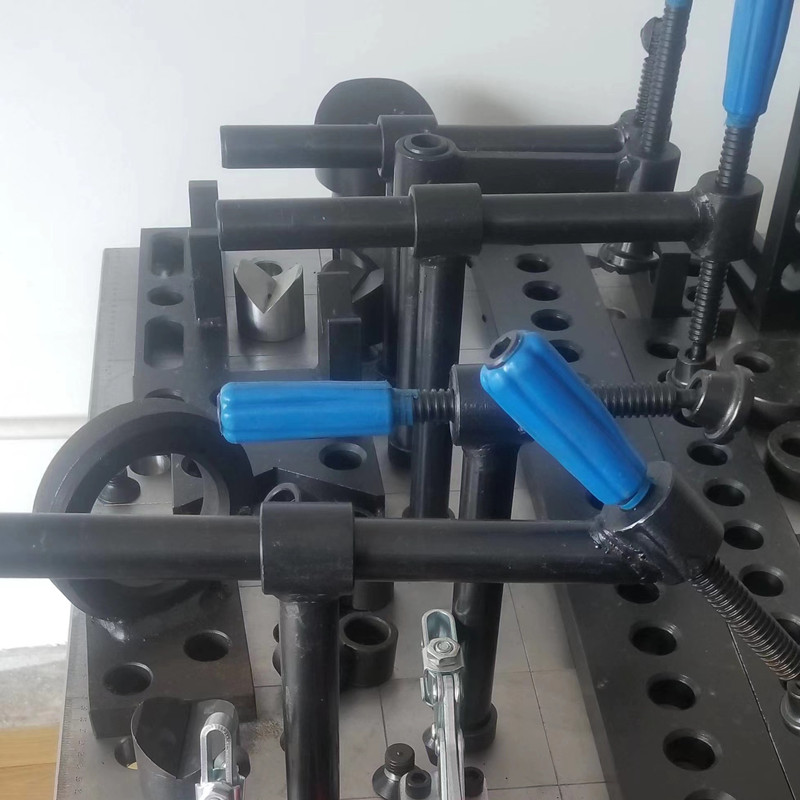
Versatile Clamps for Securely Holding Workpieces on Welding Tables
The Essential Guide to Welding Table Clamps Welding is an integral part of various industries, from

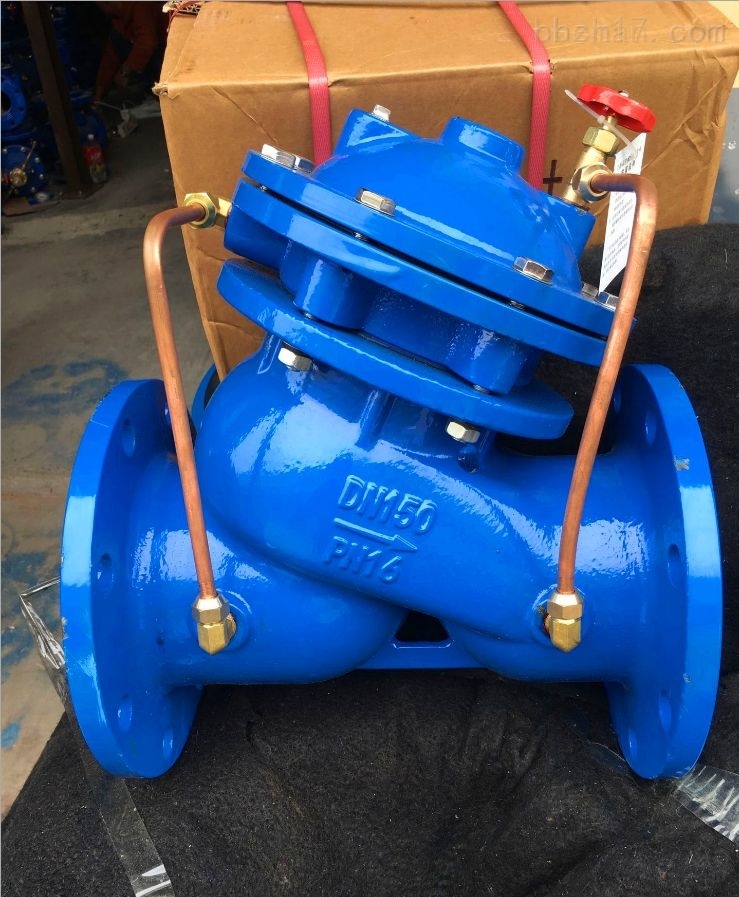
water main valve
Understanding the intricacies of water main valves is essential for both homeowners and professional

Various Types and Applications of Micrometers in Precision Measurement
Types of Micrometers Precision Tools for Measurement Micrometers are precision measurement instrumen
 English